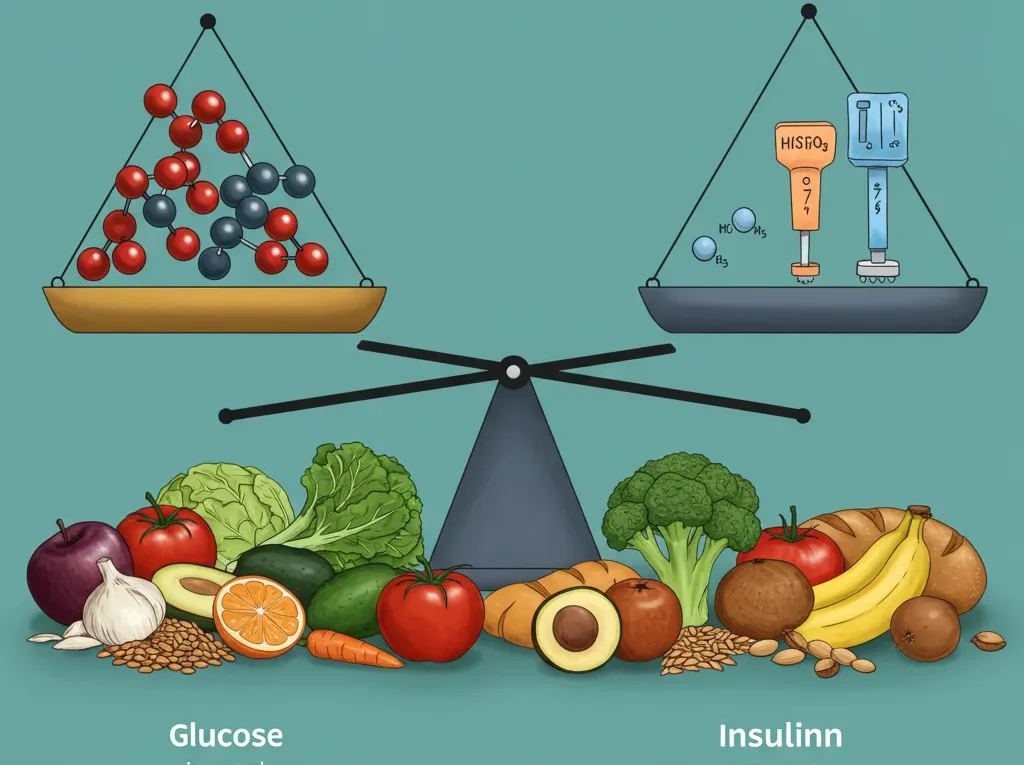
Discover Proven Natural Ways to Balance Blood Sugar Levels
Have you ever wondered why some people seem to effortlessly maintain healthyblood sugar levels while others struggle with constant fluctuations? The answer lies in understanding how your body’s metabolic processes work together like a finely tuned orchestra. Today, we’re diving deep into the natural ways you can balance blood sugar levels, lower bad cholesterol, increase good cholesterol, reverse insulin resistance, and regulate blood pressure.

Your health is like a complex puzzle, and these five elements are crucial pieces that need to fit together perfectly. When one piece is out of place, it affects the entire picture. But here’s the good news: you have more control over these factors than you might think.
Read more about a number 1 formula to manage your blood sugar safely and naturally. Click here.
Understanding the Connection Between Blood Sugar Levels and Cholesterol
Think of your cardiovascular and metabolic systems as dance partners. When blood sugar levels spike repeatedly, it’s like one partner stepping on the other’s toes – the whole performance suffers. High blood glucose levels trigger inflammatory responses that directly impact cholesterol production and processing in your liver.
How Insulin Resistance Affects Your Health
Insulin resistance is like having a key that doesn’t quite fit the lock anymore. Your cells become less responsive to insulin’s signal to absorb glucose, forcing your pancreas to produce more insulin. This excess insulin doesn’t just affect blood sugar – it also promotes the storage of fat and increases the production of triglycerides and LDL cholesterol.

When your body becomes insulin resistant, it’s essentially stuck in storage mode. Instead of using glucose for energy, your cells resist taking it in, leaving it circulating in your bloodstream. This creates a domino effect that impacts every aspect of your metabolic health.
The Role of HDL and LDL Cholesterol
Not all cholesterol is created equal. Think of LDL cholesterol as the delivery truck that sometimes gets stuck in traffic and starts dumping its cargo (cholesterol) in your arteries. HDL cholesterol, on the other hand, is like the cleanup crew that picks up excess cholesterol and transports it back to the liver for recycling.
The balance between these two types of cholesterol is crucial for cardiovascular health. When you have high levels of HDL and low levels of LDL, your cardiovascular system runs smoothly. But when this balance tips in the wrong direction, problems begin to accumulate.
Signs Your Blood Sugar Levels Need Attention
Your body is constantly sending you signals about your metabolic health. The key is learning to recognize and interpret these messages before they become serious health concerns.
Early Warning Symptoms
Are you experiencing afternoon energy crashes that make you reach for sugary snacks? Do you feel hungry shortly after eating a meal? These could be signs that your blood sugar levels are riding a roller coaster throughout the day.

Other early warning signsof high blood sugar levels include frequent urination, increased thirst, blurred vision, and slow-healing wounds. Many people dismiss these symptoms as normal parts of aging or stress, but they’re often your body’s way of telling you that your glucose metabolism needs attention.
Brain fog is another common symptom that people don’t always connect to blood sugar levels imbalances. When your brain doesn’t receive a steady supply of glucose, cognitive function suffers. You might find it harder to concentrate, remember things, or make decisions.
Read more scientific articles: here
Long-term Health Consequences of High Blood Sugar Levels
Ignoring blood sugar levels imbalances is like ignoring a small leak in your roof. What starts as a minor inconvenience can eventually cause significant structural damage. Chronic high blood sugar levels can lead to nerve damage, kidney problems, eye complications, and increased risk of heart disease and stroke.

The scary part is that type 2 diabetes often develops gradually over years. By the time symptoms become obvious, significant damage may have already occurred. That’s why taking proactive steps to balance blood sugar levels is so important.
Read more about a number 1 formula to manage your blood sugar safely and naturally. Click here.
Natural Methods to Balance Blood Sugar Levels
The foundation of blood sugar levels management isn’t found in a pill bottle – it’s built through consistent daily choices that support your body’s natural glucose regulation mechanisms.
Dietary Approaches for Stable Glucose
Imagine your blood sugar as a gentle wave rather than a tsunami. The foods you eat determine whether you create smooth, manageable waves or dramatic spikes and crashes. Complex carbohydrates, healthy fats, and lean proteins work together to provide sustained energy without overwhelming your system.

Fiber is your secret weapon in blood sugar management. It acts like a speed bump, slowing down the absorption of glucose and preventing rapid spikes. Foods rich in soluble fiber, such as oats, beans, apples, and vegetables, should become staples in your diet.
The timing of your meals matters just as much as what you eat. Eating smaller, more frequent meals helps prevent large glucose fluctuations. Think of it as adding kindling to a fire rather than dumping a whole log on at once – you get steady, consistent energy.
Cinnamon, chromium, and alpha-lipoic acid are natural compounds that have been shown to improve insulin sensitivity and glucose uptake. Adding a teaspoon of cinnamon to your morning oatmeal or coffee isn’t just delicious – it’s a simple way to support your metabolic health.
Exercise Strategies for Blood Sugar Levels Control
Movement is medicine when it comes to blood sugar levels management. Your muscles are like sponges for glucose – when you exercise, they soak up sugar from your bloodstream without requiring insulin.
Best Types of Physical Activity
Both aerobic exercise and resistance training offer unique benefits for blood sugar levels control. Cardio exercises like walking, swimming, or cycling help your muscles use glucose more efficiently during and after exercise. Strength training builds muscle mass, which increases your body’s glucose storage capacity.

High-intensity interval training (HIIT) is particularly effective because it creates an “afterburn” effect, where your metabolism remains elevated for hours after your workout. Even a 15-minute HIIT session can significantly impact your blood sugar levels.
Timing Your Workouts for Maximum Benefit
The timing of your exercise can amplify its blood sugar benefits. A post-meal walk, even just for 10-15 minutes, can help prevent glucose spikes. Your muscles are primed to absorb glucose after eating, making this an ideal time for light physical activity.
Morning exercise can also help establish healthy blood sugar patterns for the entire day. It’s like setting a positive tone that your metabolism follows throughout the day.
Lowering Bad Cholesterol (LDL) Naturally
Think of LDL cholesterol management as cleaning up traffic congestion in your arteries. The goal isn’t to eliminate all cholesterol – your body needs it for hormone production and cell membrane structure – but to reduce the problematic buildup that can lead to cardiovascular issues.

Foods That Fight LDL Cholesterol
Soluble fiber foods are your first line of defense against high LDL cholesterol. Oats, barley, beans, and fruits contain beta-glucan and pectin, which bind to cholesterol in your digestive system and help eliminate it before it can be absorbed.
Nuts, particularly almonds and walnuts, contain healthy fats and plant sterols that naturally lower LDL cholesterol. Just a handful of nuts daily can make a significant difference in your cholesterol profile.
Fatty fish like salmon, mackerel, and sardines provide omega-3 fatty acids that not only help lower LDL cholesterol but also reduce inflammation throughout your cardiovascular system. If you’re not a fish eater, consider algae-based omega-3 supplements.
Lifestyle Changes for Cholesterol Management
Smoking cessation is one of the most impactful changes you can make for cholesterol management. Smoking damages the walls of your arteries, making them more susceptible to cholesterol buildup. When you quit smoking, your HDL cholesterol levels begin to improve within weeks.
Stress Reduction Techniques
Chronic stress is like pouring gasoline on the fire of cholesterol production. When you’re stressed, your body produces more cortisol, which triggers increased cholesterol synthesis. Meditation, deep breathing exercises, and yoga can help break this cycle.
Even simple stress management techniques like progressive muscle relaxation or spending time in nature can have measurable effects on your cholesterol levels. The key is finding stress reduction methods that you actually enjoy and will stick with long-term.
Sleep Quality and Cholesterol
Poor sleep quality disrupts the hormones that regulate cholesterol production. When you don’t get enough quality sleep, your liver produces more cholesterol, and your body becomes less efficient at clearing LDL cholesterol from your bloodstream.
Establishing a consistent sleep schedule and creating a relaxing bedtime routine can significantly impact your cholesterol levels. Aim for 7-9 hours of quality sleep each night, and consider it an investment in your cardiovascular health.
Read more about a number 1 formula to manage your blood sugar safely and naturally. Click here.
Boosting Good Cholesterol (HDL) Effectively
HDL cholesterol is like having a dedicated cleaning crew working around the clock to keep your arteries clear. The higher your HDL levels, the more efficiently your body can remove excess cholesterol and transport it back to your liver for processing.
HDL-Friendly Foods and Nutrients
Olive oil, avocados, and nuts are rich in monounsaturated fats that naturally boost HDL cholesterol levels. These healthy fats also help improve the overall cholesterol ratio in your favor.
Purple and red foods like grapes, berries, and red wine (in moderation) contain anthocyanins and resveratrol, compounds that have been shown to increase HDL cholesterol levels. The key with red wine is moderation – one glass for women and two for men per day maximum.
Activities That Raise HDL Levels
Regular physical activity is one of the most effective ways to raise HDL cholesterol. Even moderate exercise like brisk walking for 30 minutes five days a week can increase HDL levels by 5-10%.
Weight loss, even modest amounts, can significantly boost HDL cholesterol. Losing just 5-10% of your body weight can lead to meaningful improvements in your cholesterol profile.
Read more scientific articles: here
Reversing Insulin Resistance: A Step-by-Step Guide
Insulin resistance isn’t a life sentence – it’s a condition that can be improved and often reversed through targeted lifestyle interventions. Think of it as retraining your cells to respond properly to insulin’s signals.

Understanding Insulin Sensitivity
Insulin sensitivity is like having a well-calibrated thermostat in your home. When it’s working properly, small adjustments create big changes. When insulin sensitivity is high, your cells respond quickly to small amounts of insulin, keeping blood sugar levels stable.
Several factors can improve insulin sensitivity, including regular exercise, adequate sleep, stress management, and maintaining a healthy weight. The good news is that improvements in insulin sensitivity can happen relatively quickly – sometimes within days or weeks of making positive changes.
Proven Strategies to Improve Insulin Function
Reducing refined carbohydrates and added sugars is like removing the static from a radio signal – it allows your insulin to work more clearly and effectively. Focus on whole, unprocessed foods that don’t cause dramatic blood sugar spikes.
Intermittent Fasting Benefits
Intermittent fasting gives your insulin-producing cells a break and allows your body to become more sensitive to insulin’s effects. It’s like giving your pancreas a chance to rest and reset.
Popular intermittent fasting approaches include the 16:8 method (eating within an 8-hour window) or the 5:2 approach (eating normally five days and restricting calories two days). Start slowly and find an approach that fits your lifestyle.
Portion Control Methods
Using smaller plates and bowls naturally leads to smaller portion sizes without feeling deprived. This simple psychological trick can help reduce caloric intake and improve insulin sensitivity over time.
The plate method is another effective strategy: fill half your plate with non-starchy vegetables, one quarter with lean protein, and one quarter with complex carbohydrates. This approach automatically creates balanced meals that support stable blood sugar levels.
Natural Blood Pressure Regulation Techniques
Blood pressure regulation is closely connected to the other aspects of metabolic health we’ve discussed. When you improve insulin sensitivity and cholesterol levels, blood pressure often improves as well.
Dietary Approaches to Blood Pressure Management
The DASH (Dietary Approaches to Stop Hypertension) diet emphasizes fruits, vegetables, whole grains, and lean proteins while limiting sodium, processed foods, and added sugars. This eating pattern naturally supports healthy blood pressure levels.
Potassium-rich foods like bananas, spinach, and sweet potatoes help counteract the effects of sodium and support healthy blood pressure. Most people get too much sodium and not enough potassium, creating an imbalance that contributes to hypertension.
Lifestyle Modifications for Healthy Blood Pressure
Regular physical activity strengthens your heart muscle, allowing it to pump blood more efficiently with less effort. This reduced workload translates directly into lower blood pressure readings.
Limiting alcohol consumption can have immediate effects on blood pressure. While moderate alcohol consumption may have some cardiovascular benefits, excessive drinking consistently raises blood pressure.
Read more about a number 1 formula to manage your blood sugar safely and naturally. Click here.
The Science Behind Metabolic Health
Understanding the science behind these interconnected health factors helps you make informed decisions about your health and motivates you to stick with positive changes.

How These Factors Work Together
Your metabolic health operates like an ecosystem where each component affects all the others. When blood sugar levels are stable, insulin sensitivity improves. When insulin sensitivity is good, cholesterol production normalizes. When cholesterol levels are healthy, blood pressure tends to be more stable.
This interconnectedness means that improvements in one area often create positive ripple effects throughout your entire metabolic system. It’s like tuning one instrument in an orchestra – suddenly the whole ensemble sounds better.
Research-Backed Evidence
Numerous studies have demonstrated that lifestyle interventions can be as effective as medications for managing these health markers. The Diabetes Prevention Program showed that lifestyle changes reduced the risk of developing type 2 diabetes by 58% – more effective than medication alone.
Research consistently shows that comprehensive lifestyle approaches addressing diet, exercise, stress management, and sleep quality produce the most significant and lasting improvements in metabolic health markers.
Read more scientific articles: here
Creating Your Personal Health Action Plan
Success in improving your metabolic health comes from creating a personalized plan that fits your lifestyle, preferences, and current health status.
Setting Realistic Goals
Start with small, achievable changes rather than trying to overhaul your entire lifestyle overnight. Setting a goal to walk for 10 minutes after dinner is more sustainable than committing to hour-long gym sessions that you’re unlikely to maintain.
SMART goals (Specific, Measurable, Achievable, Relevant, Time-bound) provide structure and accountability. Instead of “eat healthier,” try “include one serving of vegetables with lunch and dinner for the next two weeks.”
Tracking Your Progress
Regular monitoring helps you understand how different foods, activities, and lifestyle factors affect your individual health markers. Consider keeping a simple log of your meals, physical activity, and how you feel throughout the day.
Many people find that wearable devices or smartphone apps help them stay motivated and accountable. The key is finding tracking methods that feel helpful rather than burdensome.
Common Mistakes to Avoid
Learning from common pitfalls can save you time and frustration on your health journey.
Dietary Pitfalls
One of the biggest mistakes is thinking that “healthy” foods give you a free pass to eat unlimited quantities. Even nutritious foods can impact blood sugar and contribute to weight gain if consumed in excessive amounts.
Another common error is focusing too heavily on individual “superfoods” while ignoring overall dietary patterns. There’s no single food that will magically fix metabolic health – it’s the cumulative effect of your daily choices that matters.
Exercise Misconceptions
Many people believe that they need to exercise intensely for hours to see benefits, leading to an all-or-nothing mentality. In reality, consistent moderate activity is more beneficial than sporadic intense workouts.
Another misconception is that exercise alone can compensate for poor dietary choices. While physical activity is crucial for metabolic health, it works best when combined with appropriate nutrition.
Conclusion
Managing your metabolic health through natural methods isn’t just about following a set of rules – it’s about creating a sustainable lifestyle that supports your body’s natural ability to maintain balance. By focusing on balancing blood sugar levels, optimizing cholesterol ratios, improving insulin sensitivity, and supporting healthy blood pressure, you’re investing in your long-term health and vitality.
Remember that these changes don’t happen overnight, but they don’t take forever either. Many people notice improvements in energy levels and well-being within just a few weeks of implementing these strategies. The key is consistency and patience with the process.
Your health journey is unique to you, and what works best may require some experimentation and adjustment. Start with the strategies that feel most manageable and gradually build upon your successes. With time and commitment, you can achieve significant improvements in all these important health markers naturally.
Read more about a number 1 formula to manage your blood sugar safely and naturally.Click here.
Frequently Asked Questions (FAQs)
1. How long does it take to see improvements in blood sugar levels with natural methods? Most people begin to see improvements in blood sugar stability within 2-4 weeks of implementing dietary and exercise changes. However, significant changes in HbA1c levels (which reflect average blood sugar over 2-3 months) typically take 8-12 weeks to become apparent.
2. Can you reverse insulin resistance completely without medication? Yes, insulin resistance can often be significantly improved or reversed through lifestyle changes alone, especially when caught early. Studies show that weight loss, regular exercise, and dietary modifications can restore insulin sensitivity in many people, though individual results vary.
3. What’s the most effective single change for improving cholesterol levels? While comprehensive lifestyle changes work best, increasing soluble fiber intake tends to have the most immediate impact on LDL cholesterol levels. Adding 10-25 grams of soluble fiber daily can lower LDL cholesterol by 5-10%.
4. How much exercise is needed to see benefits for blood pressure? Even modest amounts of physical activity can help lower blood pressure. The American Heart Association recommends at least 150 minutes of moderate-intensity exercise per week, but benefits can be seen with as little as 30 minutes of walking most days of the week.
5. Are there any natural supplements that can help with these health markers? Several natural supplements show promise, including omega-3 fatty acids, chromium, cinnamon extract, and berberine. However, supplements should complement, not replace, healthy lifestyle choices. Always consult with a healthcare provider before starting any supplement regimen, especially if you’re taking medications.